Keeping Childhood Sacred — KLA Schools of Walnut Creek
Established in 2013 at the corner of N. Wiget Lane and Mitchell Drive, KLA Schools of Walnut Creek, distinct in its child-led, inquiry-based approach to early childhood education, is part of the largest franchise network of Reggio Emilia-inspired schools in the United States.
KLA Schools was founded in Miami, Florida, in 2008 by Roberto and Candy Ortega; they began franchising in 2010. Now there are 30 KLA preschools operating across multiple states.
KLA Schools of Walnut Creek stands out within that network as the only KLA school in California, and the only KLA school owned and operated by the founders, the Ortegas. Well-connected to the Walnut Creek community, Roberto and Candy take pride in the work and dedication of the teachers and staff who inspire and guide children through their educational journeys during their early formative years, ages 3 months to 6 years, through TK and kindergarten.
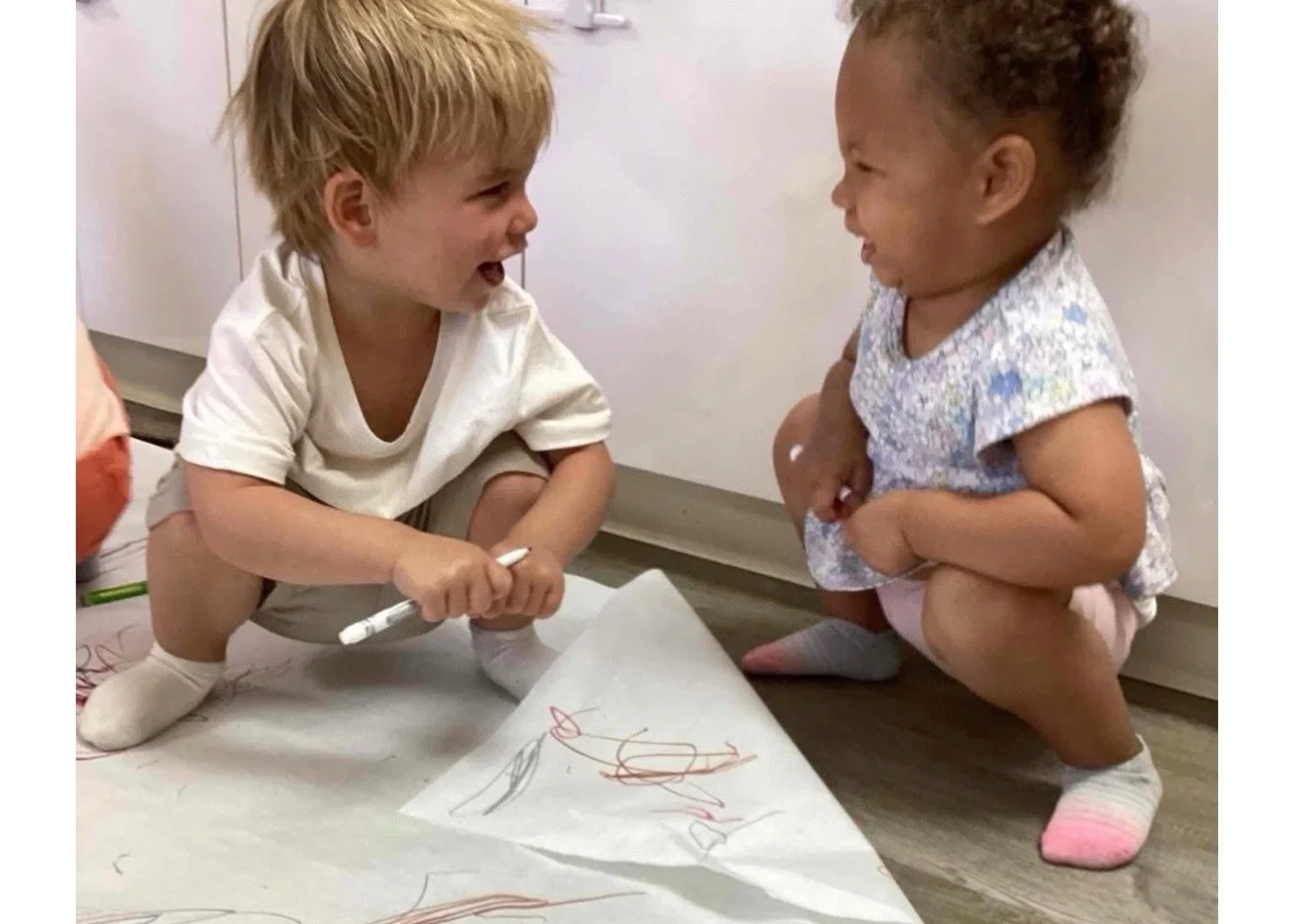
KLA Schools of Walnut Creek educates and cares for children ages 3 months to 6 years.
KLA Schools of Walnut Creek is inspired by the Reggio Emilia approach to early childhood education, which views children as naturally competent, curious learners, who are capable of driving their own education through hands-on discovery, creative expression, and play-based, open-ended projects.
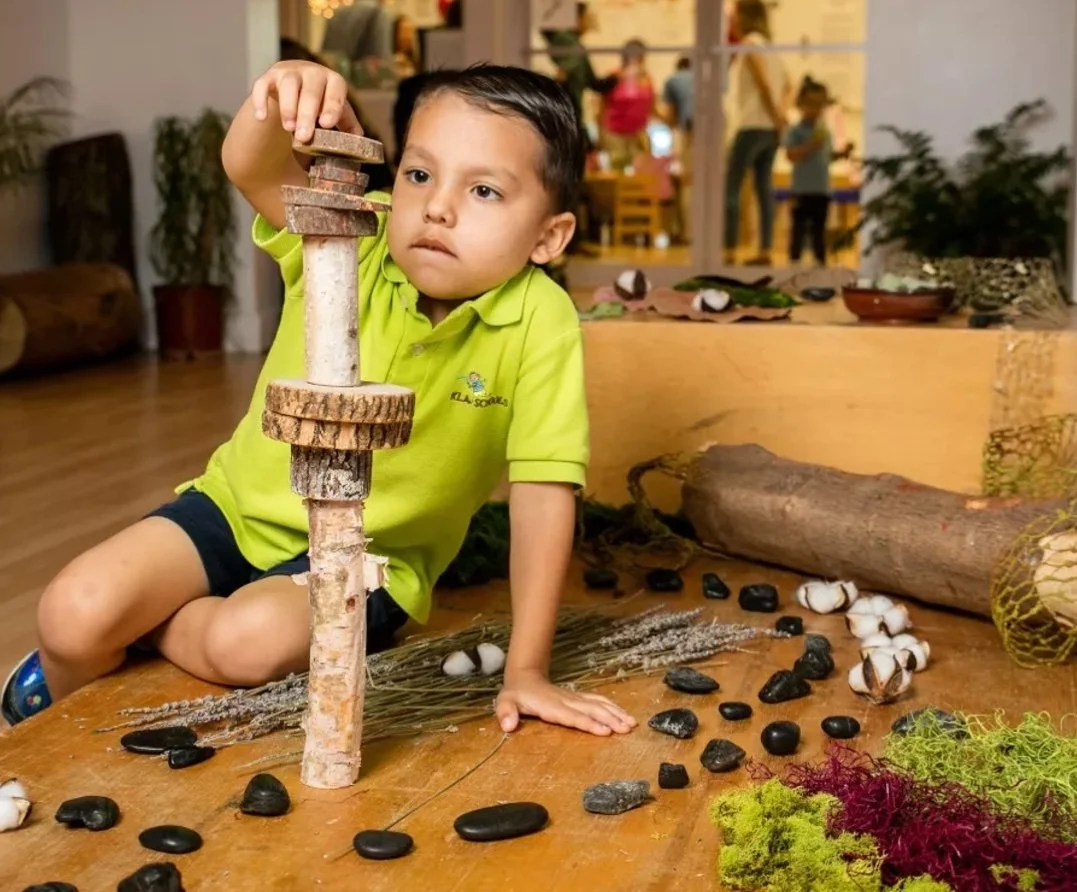
KLA is inspired by the Reggio Emilia approach to eduction and follows a child-led curriculum.
“Instead of following a set curriculum written down as a daily agenda or in a school manual, we are inspired by the children’s own interests and curiosity and we design opportunities for learning accordingly,” said Samantha Willis, who taught in KLA schools for five years and is now working in a corporate role.
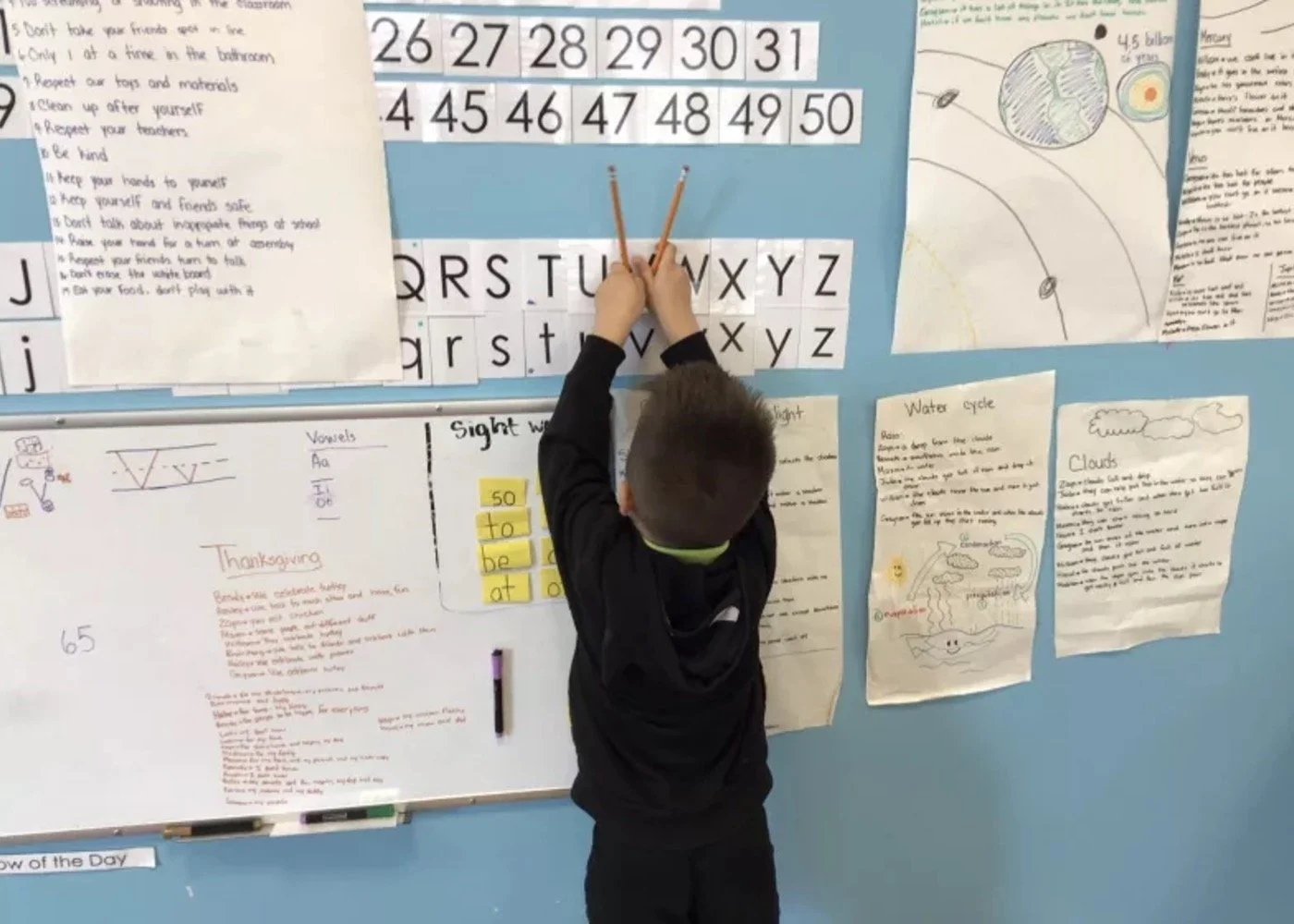
KLA teachers guide students in discovering answers themselves, while meeting milestones and mastering the academics to be successful in the future.
“Reggio Emilia is child-led learning, rather than teacher-led. We uphold state standards and developmental milestones, but we’re led by the interests of the children in the classroom and in the context of their natural world to facilitate their learning and reach those milestones,” said Samanth. “We respect the child’s natural qualities and keep their childhood sacred, encouraging their sense of wonder and imagination about what’s going on around them, letting their daily questions and interests emerge and guide our teaching.”
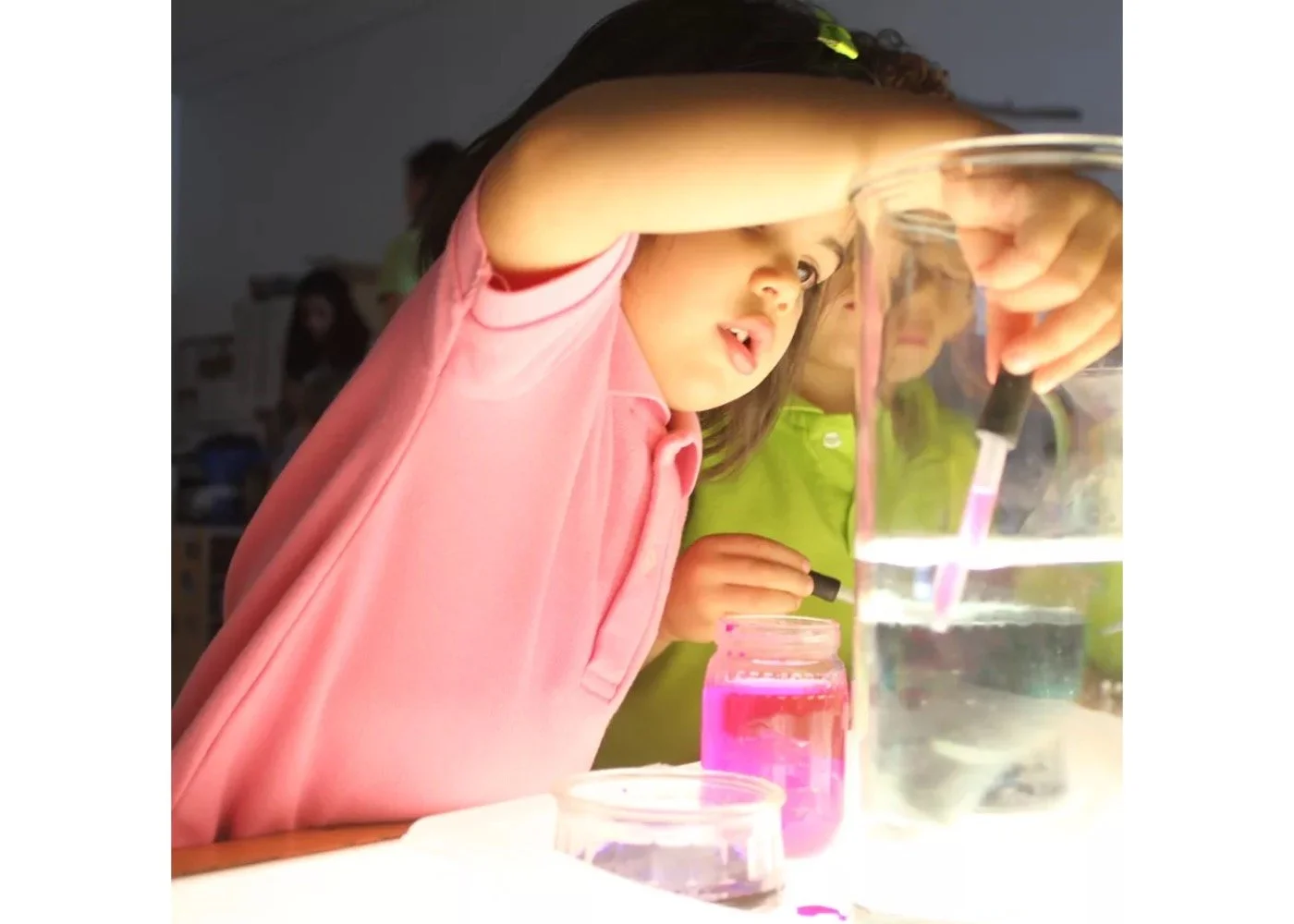
KLA encourages the child’s natural sense of wonder.
The Reggio Emilia approach began in the small town of Reggio Emilia, Italy, in the 1940s, after the devastation of World War II. When the community came together to rebuild, they chose to start with the children. A young teacher, Loris Malaguzzi, helped shape a new philosophy of education. He believed children learn best through exploration, relationships, and real-world problem solving. This approach emphasized that learning is not about memorization, but about discovery. Instead of using fixed textbooks or rigid lesson plans, teachers would guide learning based on the interests of the children, using art, nature, and play. Reggio Emilia values children’s ability to create their own understanding and knowledge of the world through what they do and how they share with others, rather than sitting and listening to facts. Reggio Emilia schools became places where creativity, collaboration, and critical thinking flourished — and today, they’ve inspired hundreds of thousands of educators and children worldwide. Reggio Alliance
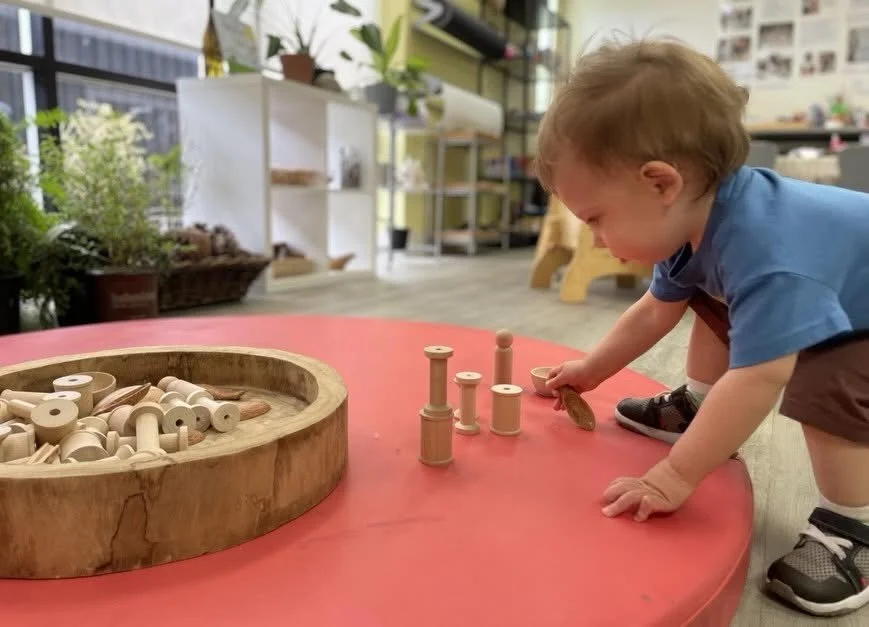
KLA encourages the child’s natural sense of physcial play and discovvery.
An educator with more than 25 years of experience, Elif Kalkan has been director of KLA Schools of Walnut Creek since 2016. “We are a close family of loving, attentive, and highly trained educators who are intrinsically motivated to positively impact the lives of children and our communities through our Reggio Emilia-inspired approach to education,” said Elif.
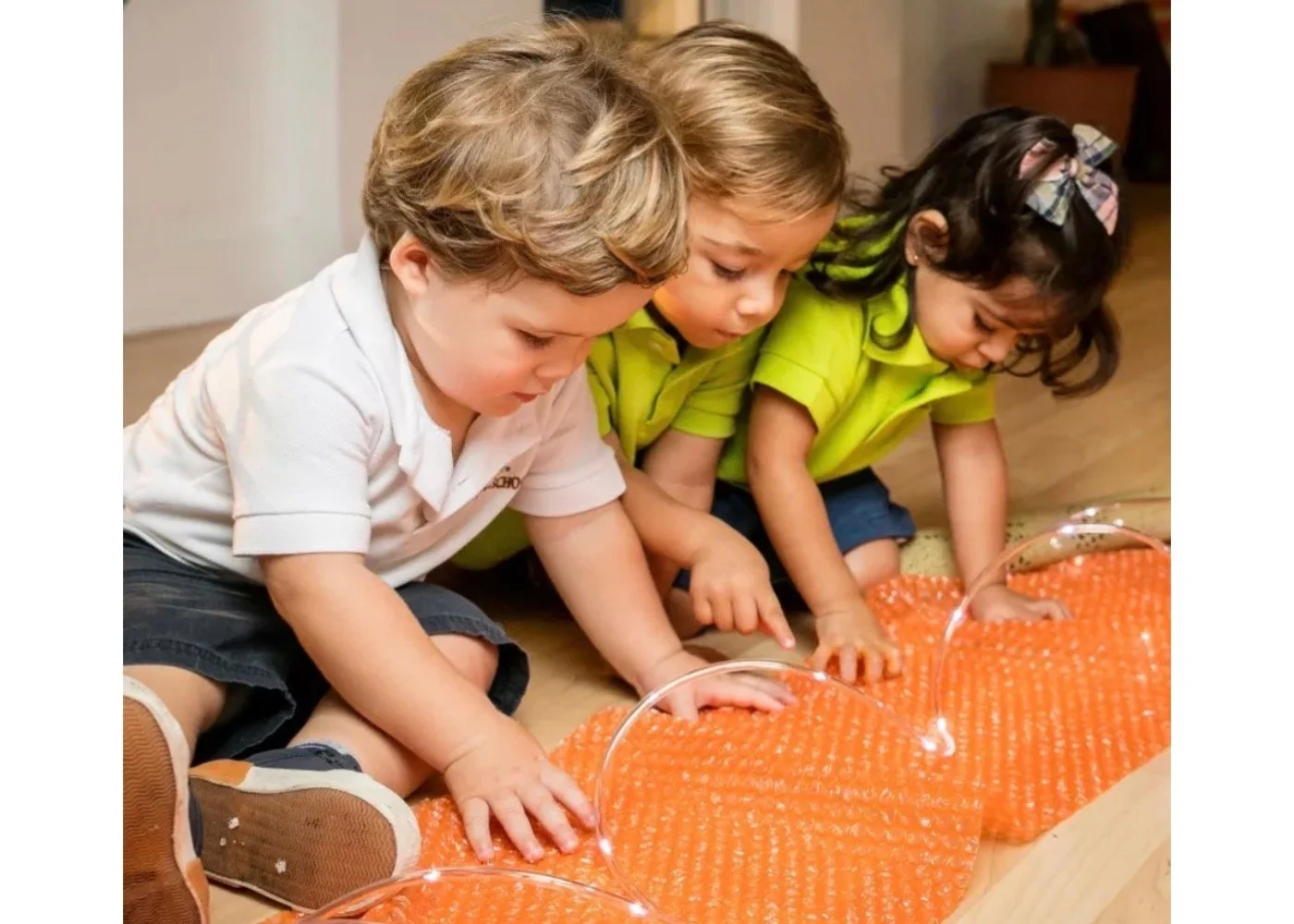
KLA builds communities of young people who respect each other.
“One of our core tenets is building community among our students and families. Along with their parents, we are raising creative, innovative thinkers and doers – children and young people who respect each other and enjoy working with each other.”
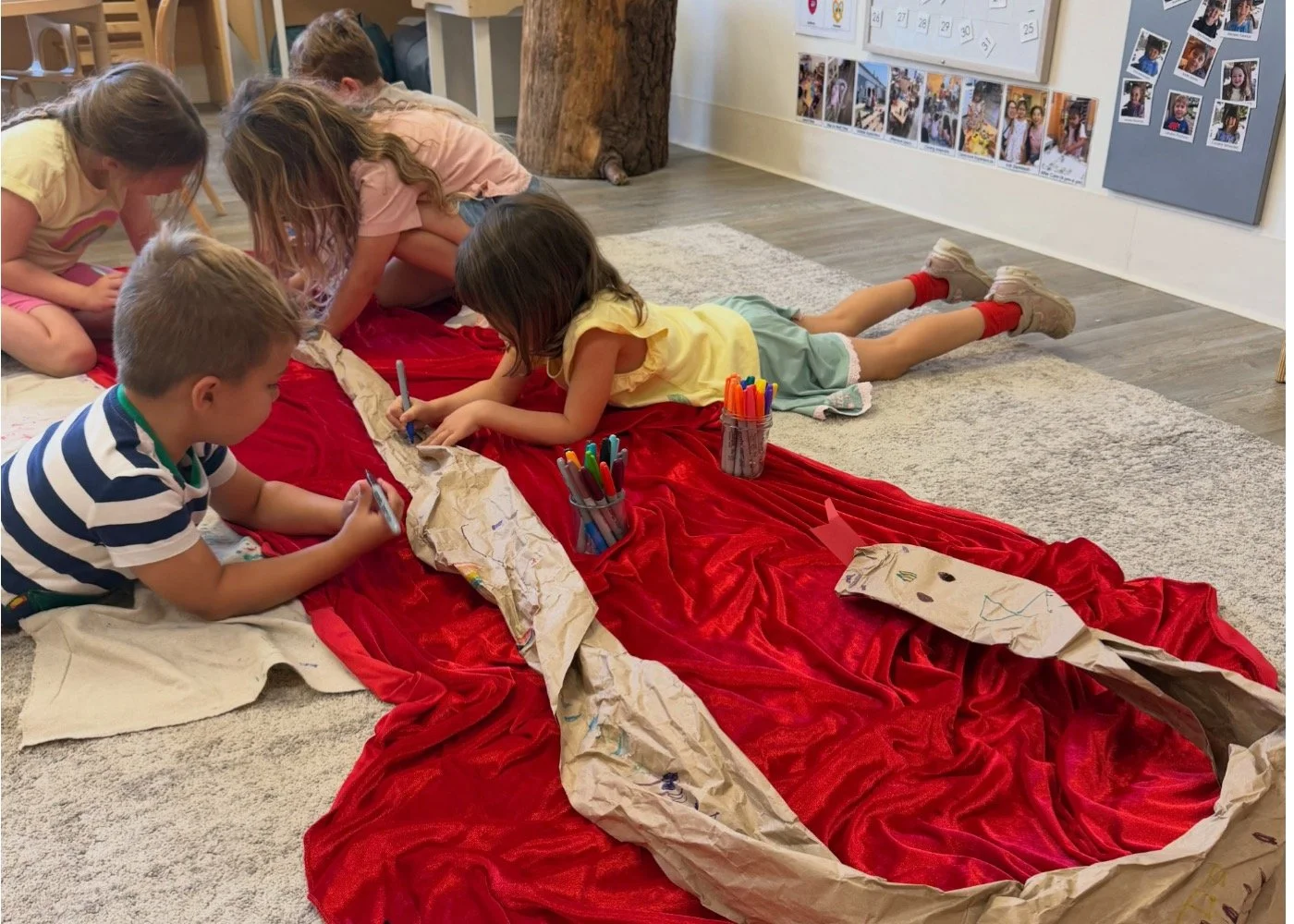
Learning is not a solo journey; through co-construction and shared ideas, this paper snake comes to life.
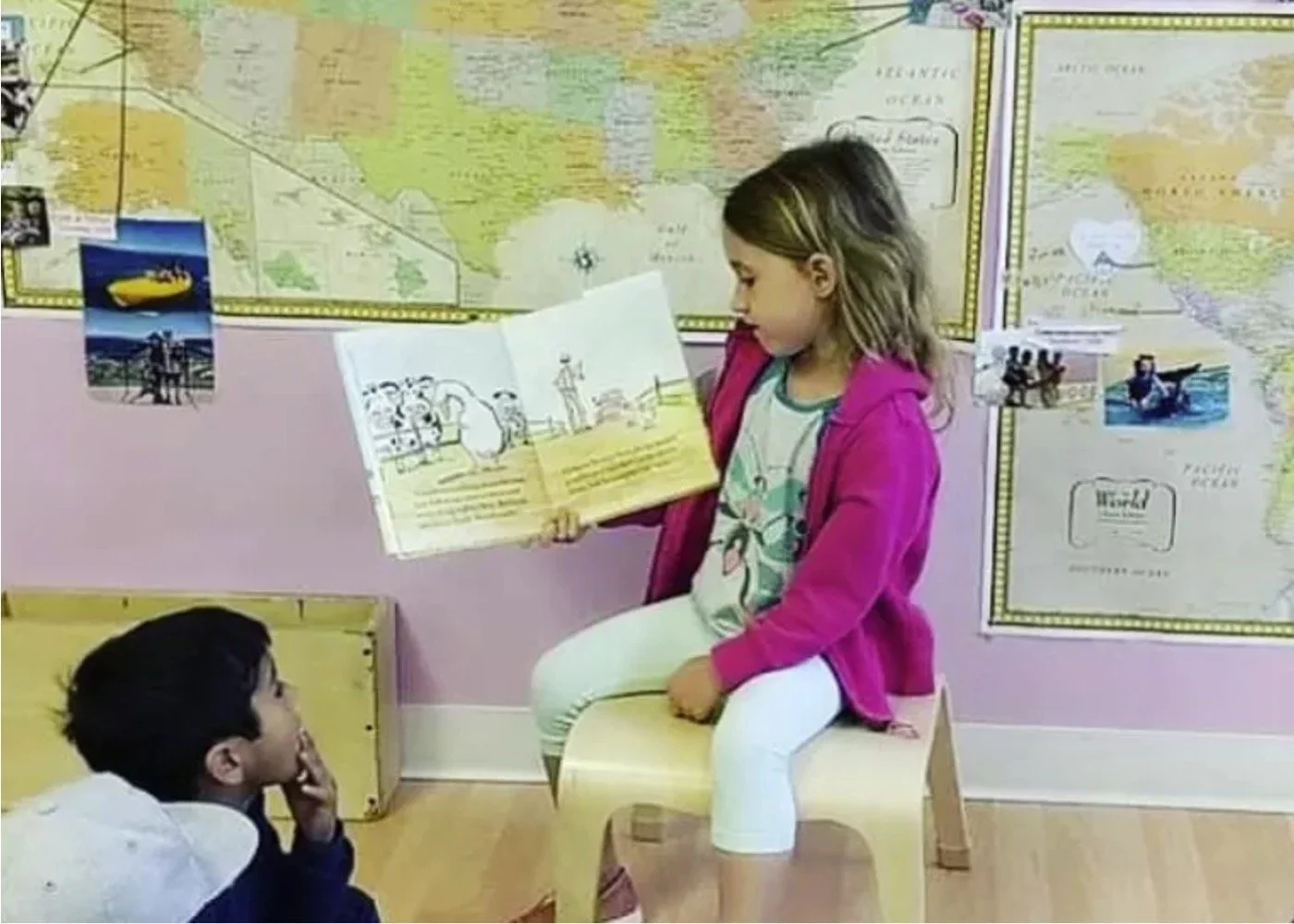
KLA provides opportunities to think, to do, and to share with others.
KLA teachers are co-learners with their students, exploring their worlds and making discoveries along with them, guiding their learning to help them extend their thinking, exploration, and discovery. In this way, teachers focus on the process of learning, rather than the end product.
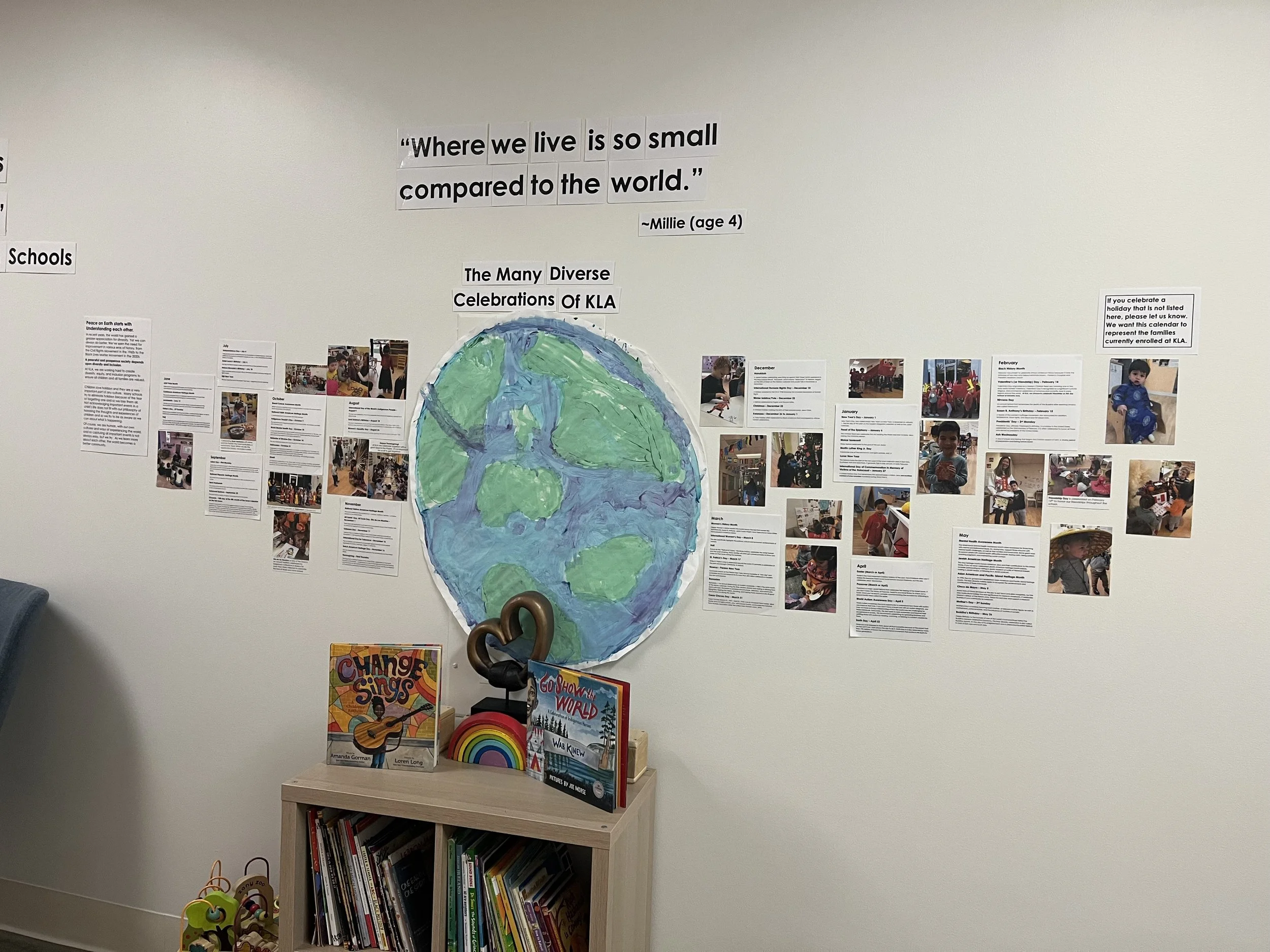
Documentation is a vital part of the Reggio Emilia philosophy — making learning visible.
Documentation is a big part of the Reggio Emilia philosophy – showcasing in a large way the questions, activities, discoveries, and accomplishments of the students. Rather than simply an exhibition of the children’s finished work, documentation makes their learning visible. Classroom and hallway walls are covered in photographs, artwork and art materials, narratives and transcribed conversations and observations, questions, quotations, and stories, reminding students, teachers, and families of the children's ongoing journeys of discovery. In this way, documentation is making the intangible tangible and open to reflection by the students, teachers, and parents.
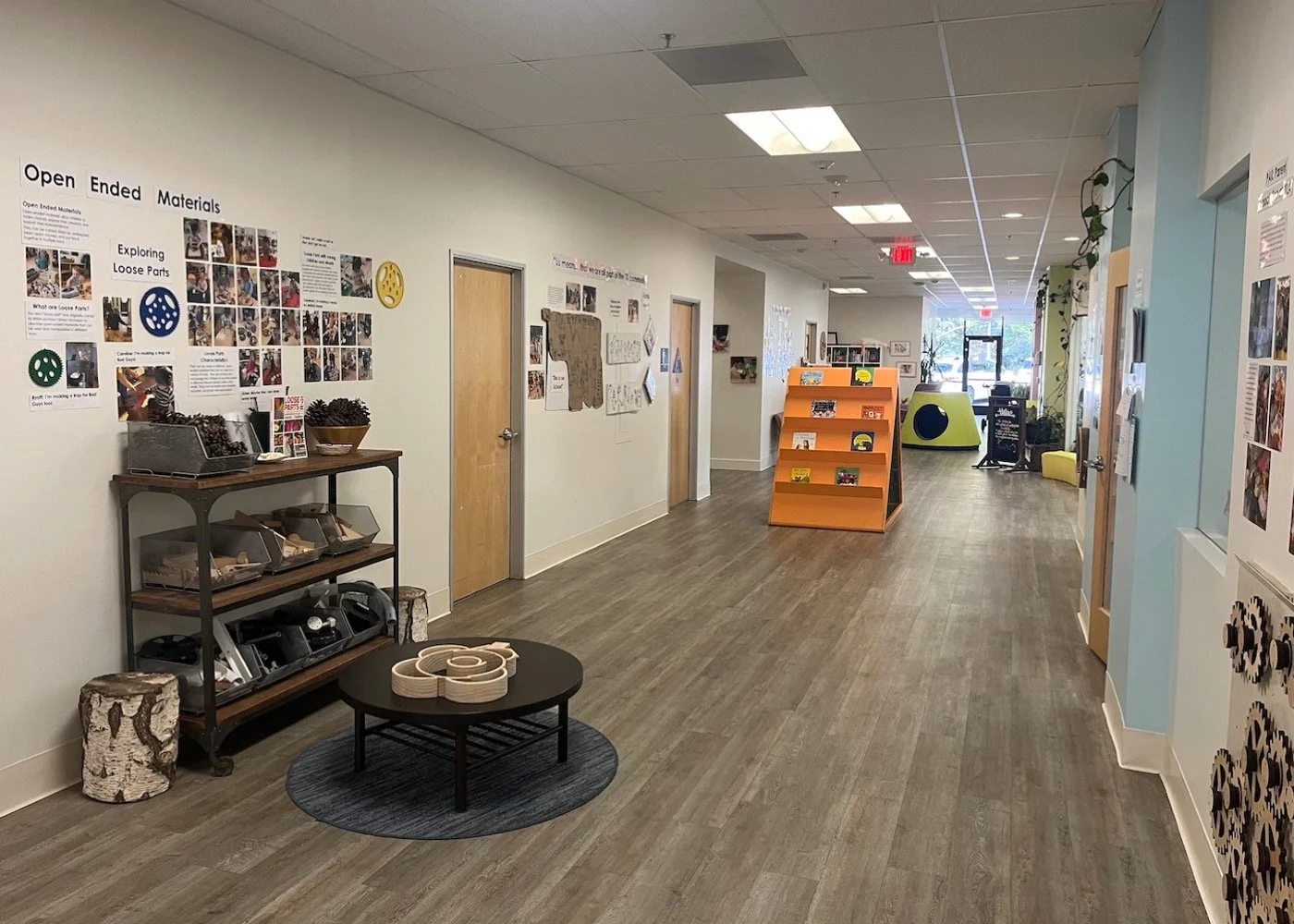
Classroom and hallway walls are covered in photographs; art materials; and transcribed conversations allowing students to reflect on their learning.
“The value we place on art and play is another core tenet,” said Elif. “Art is an expressive language of human beings and particularly of children, who are just finding their way through verbal language. Children express their thoughts, feelings, and understanding in endless ways – one hundred languages – such as painting, sculpting, music, movement, building, and dramatic play.
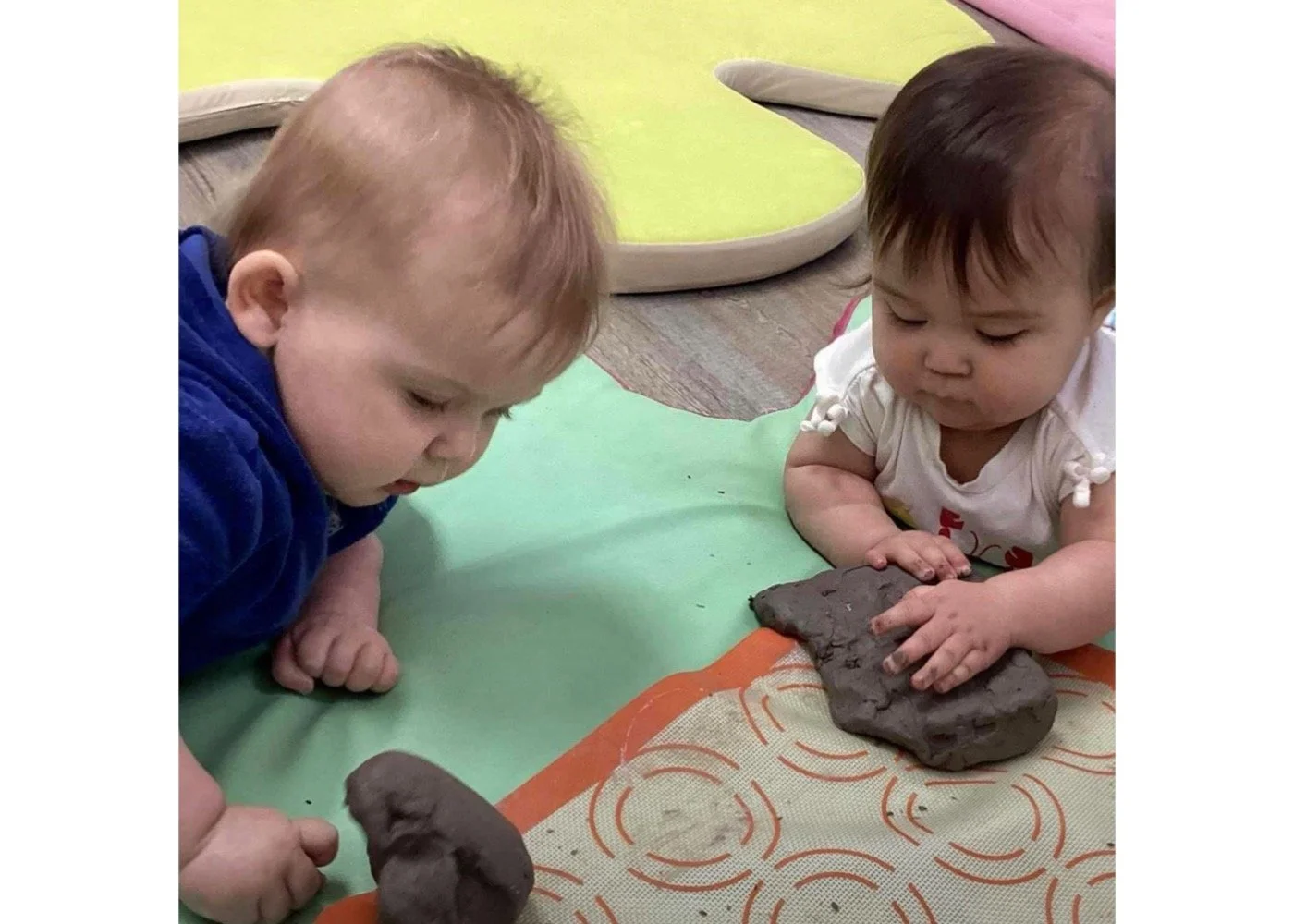
Children express their thoughts, feelings, and understanding in “one hundred languages.”

Art is woven into every student’s day.
“Rather than being treated as a separate, isolated subject, we view art as a primary means of communication, understanding, and self-expression,” said Elif. “Art is woven into every student’s day.”
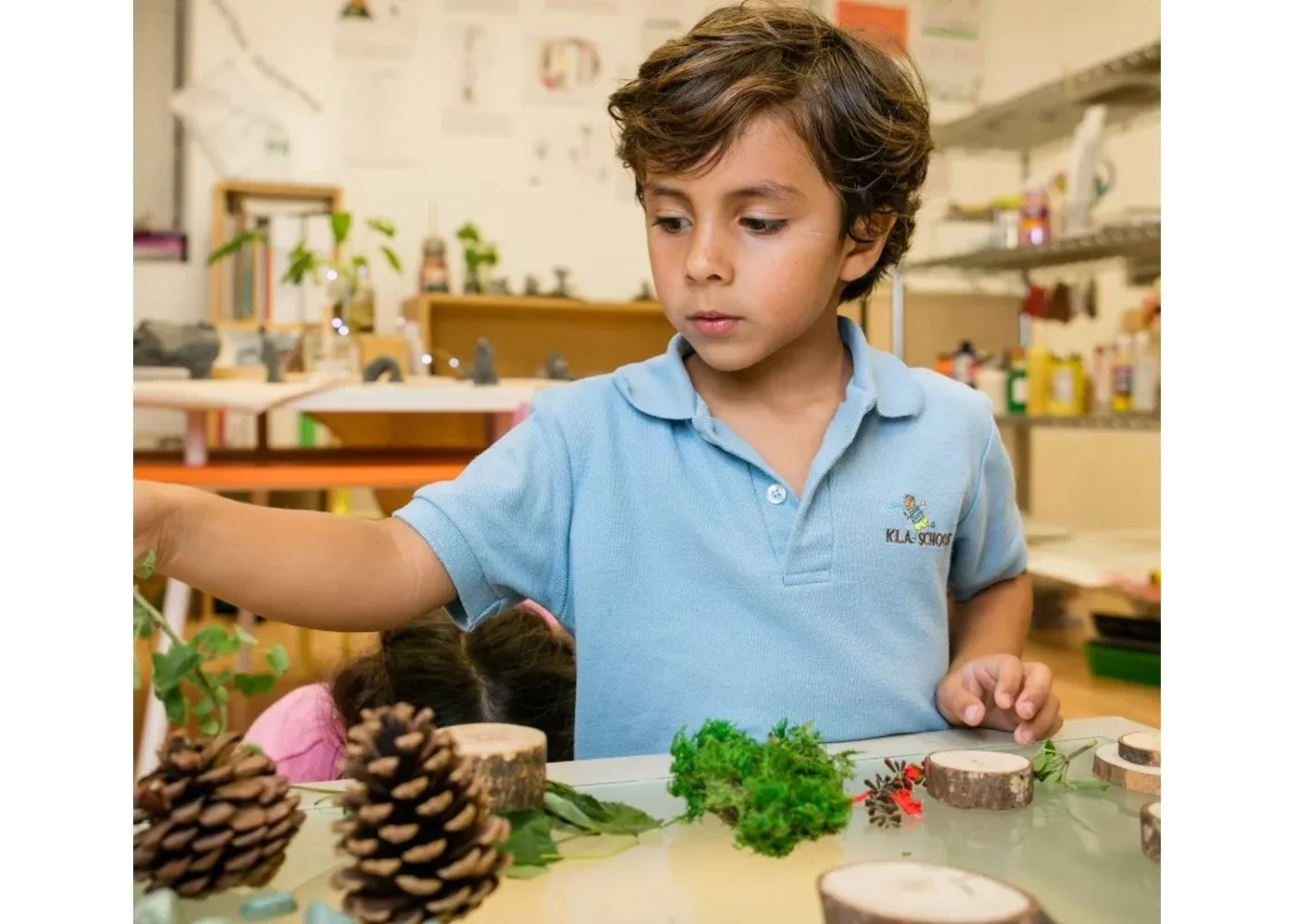
Art is a fundamental language that children use to think, understand, and communicate their experiences.
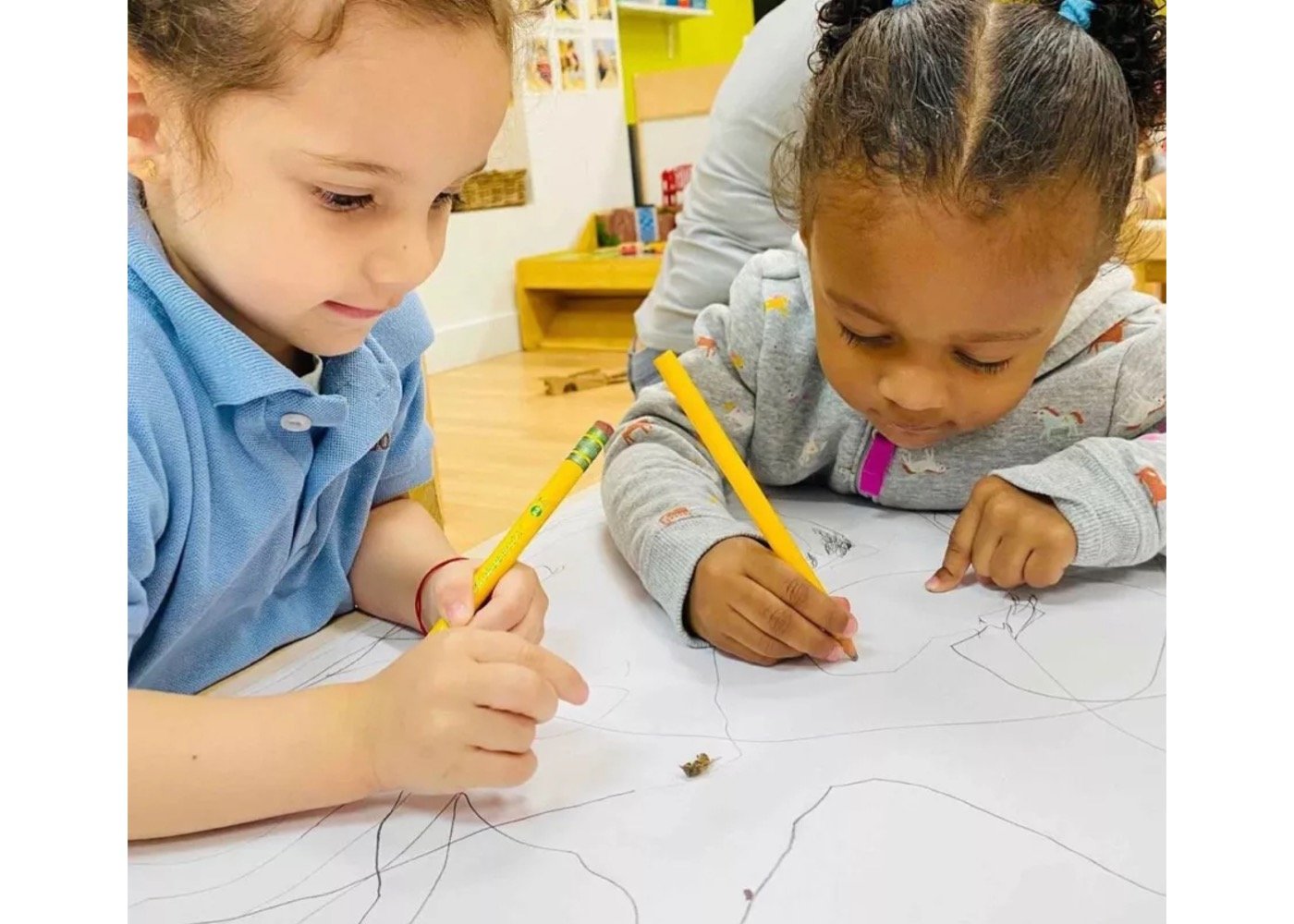
KLA knows that big imaginations start with small strokes.
Atelier (uh·teh·lee·ay) is French for an artist’s workshop or studio. All KLA schools include an atelier – a dedicated art space viewed as an extension of their classrooms and intentionally designed for creative expression. All students visit the Atelier at least once a week; those visits might be aligned with a project going on in the classroom, or they might be separate, unrelated activities that are simply free play and creative expression. The Atelier is reset every day by Miss Nena, the atelierista, who designs the room and sets out appropriate materials for that day’s age group. Clay, paper, fabric, wire, light, beads, shells, leaves, wood, and digital tools, among other materials, offer children endless possibilities in the early exploration of the visual arts.
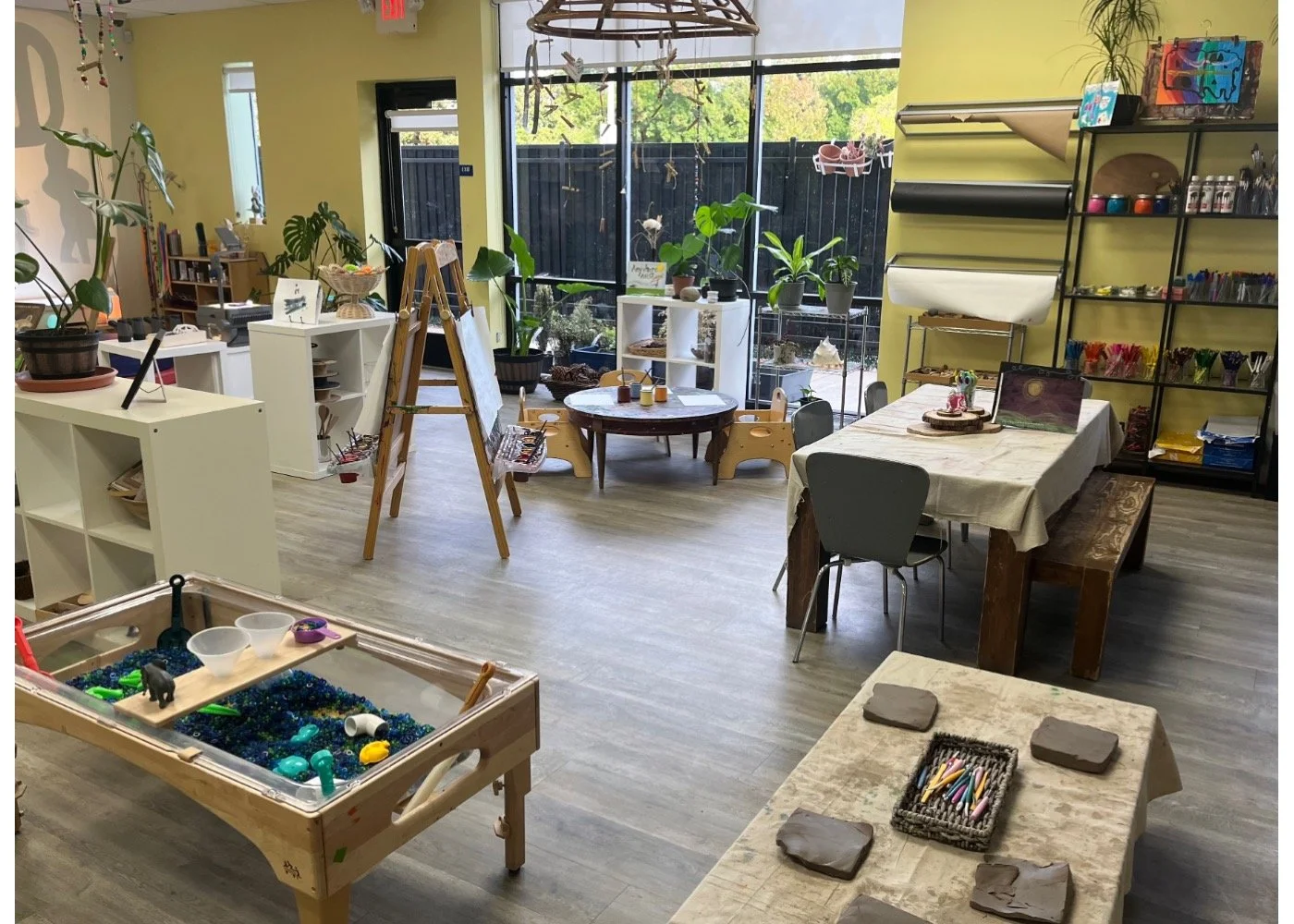
All students visit the Atelier at least once a week, and the Atelier is reset every day for different age groups.
“It’s our job as adults in our children’s lives – as parents, teachers, and caregivers – to facilitate their learning while encouraging them to freely flourish,” said Roxana Acevedo, assistant director. “Our emergent curriculum is a style of teaching that develops naturally from the students' own interests, questions, play, and daily lives, rather than from a strict, pre-written, themed lesson plan.”
For example, students might plan a class project around building a bug habitat after a child finds a ladybug or earthworm outside; or creating a restaurant and dramatic play space after a child has dinner out with the family; or exploring the nature and properties of water, tunnels, sponges, and wet shoes on a rainy day.
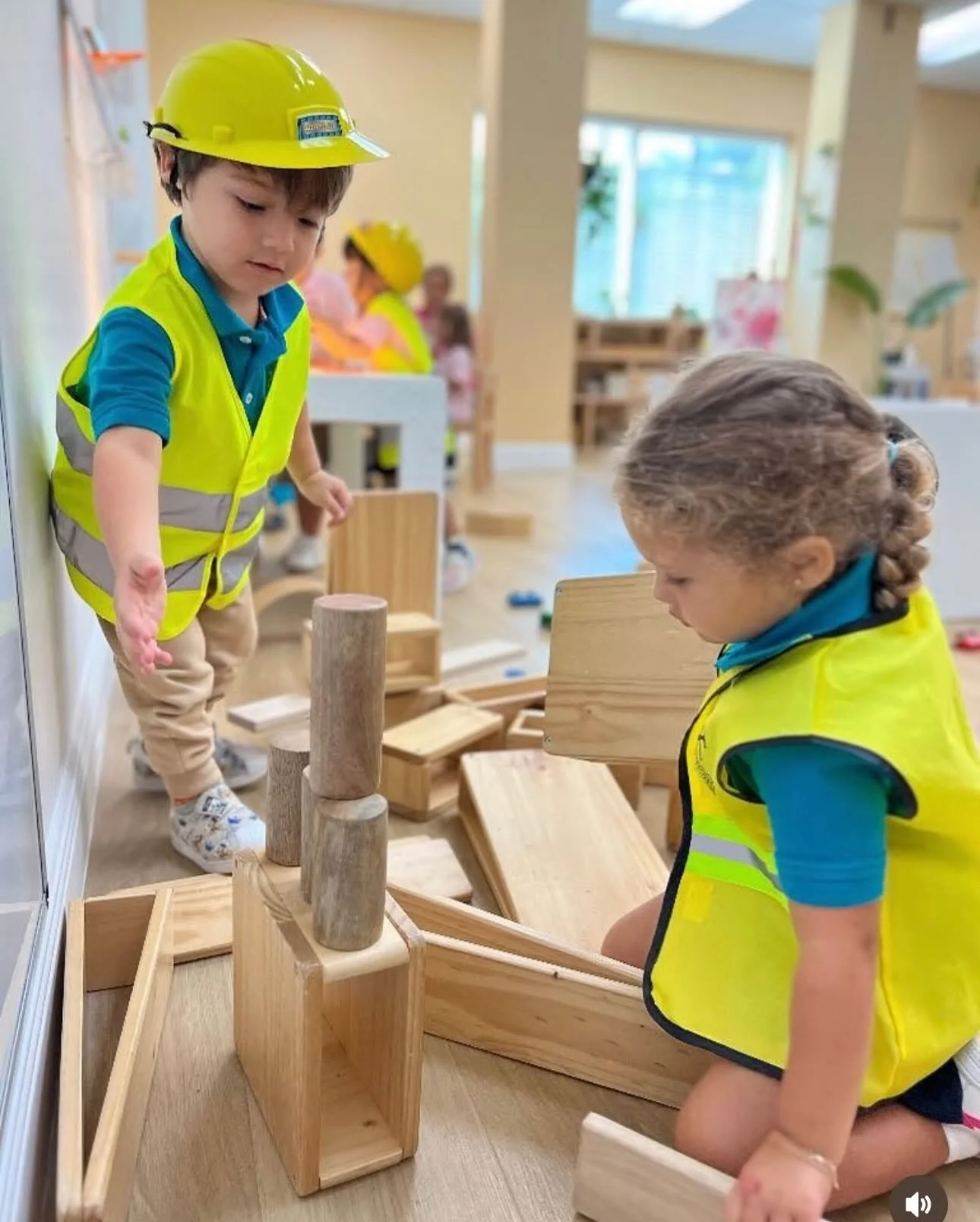
Emergent curriculum grows out of the natural interest, questions, and daily discoveries of the children, rather than a textbook.
An interest in butterflies might lead to an exploration of the world of colors, or it might lead to an exploration of other animals and objects that fly. In one KLA classroom, as children watched the construction going on at Calicraft Brewery across the street, they became interested in the size and sounds of the earthmoving trucks and the jobs people have to do that kind of work. The day’s experiences centered around building, constructing, and role playing.
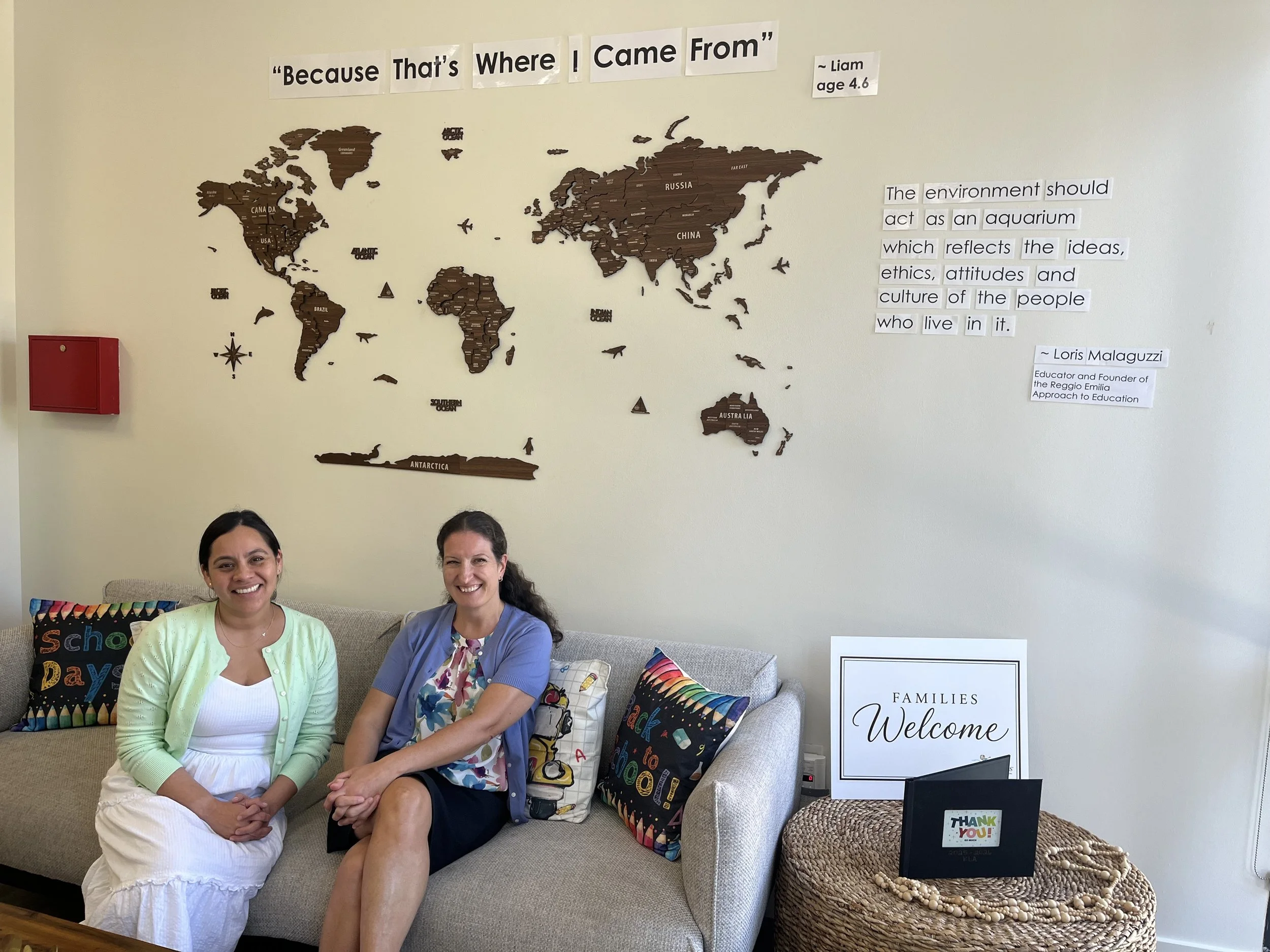
KLA Schools of Walnut Creek Director Elif Kalkan (r) and Assistant Director Roxana Acevedo (l), welcome visitors and families to the school, which has served Walnut Creek and the East Bay since 2013.
KLA Schools of Walnut Creek is open 7am to 6pm, five days a week, designed for parents who are looking for more than a day care, who are looking for a true educational experience for their children. Beyond the core classes, the school offers extracurriculars in sports, ballet, music, chess, and yoga, among others. The large outdoor space features three separate playgrounds for different age groups and milestones, fully equiped with playground structures, toys, and tools for discovery — because learning doesn’t just happen inside the classroom.
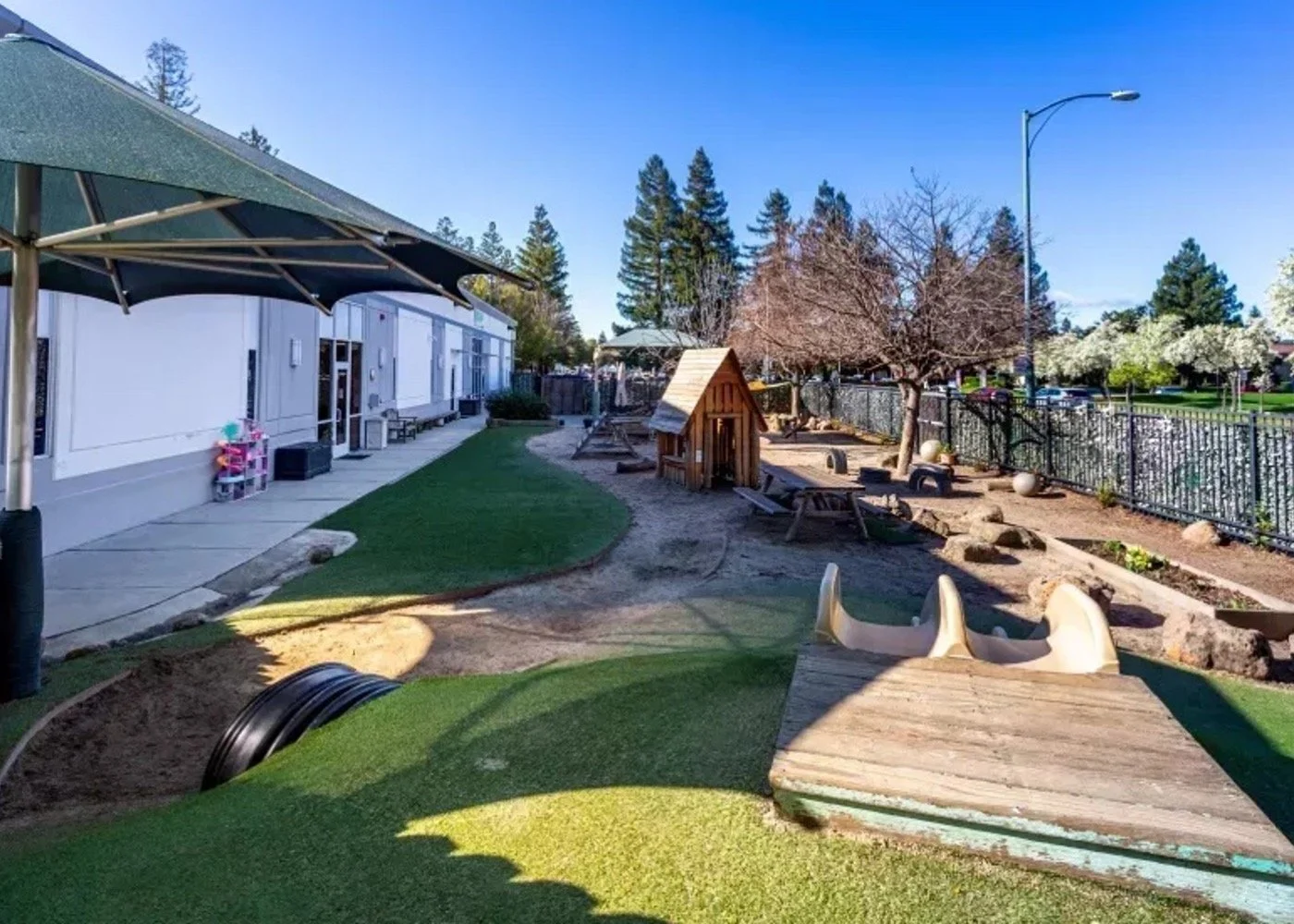
The large outdoor space features three separate playgrounds.
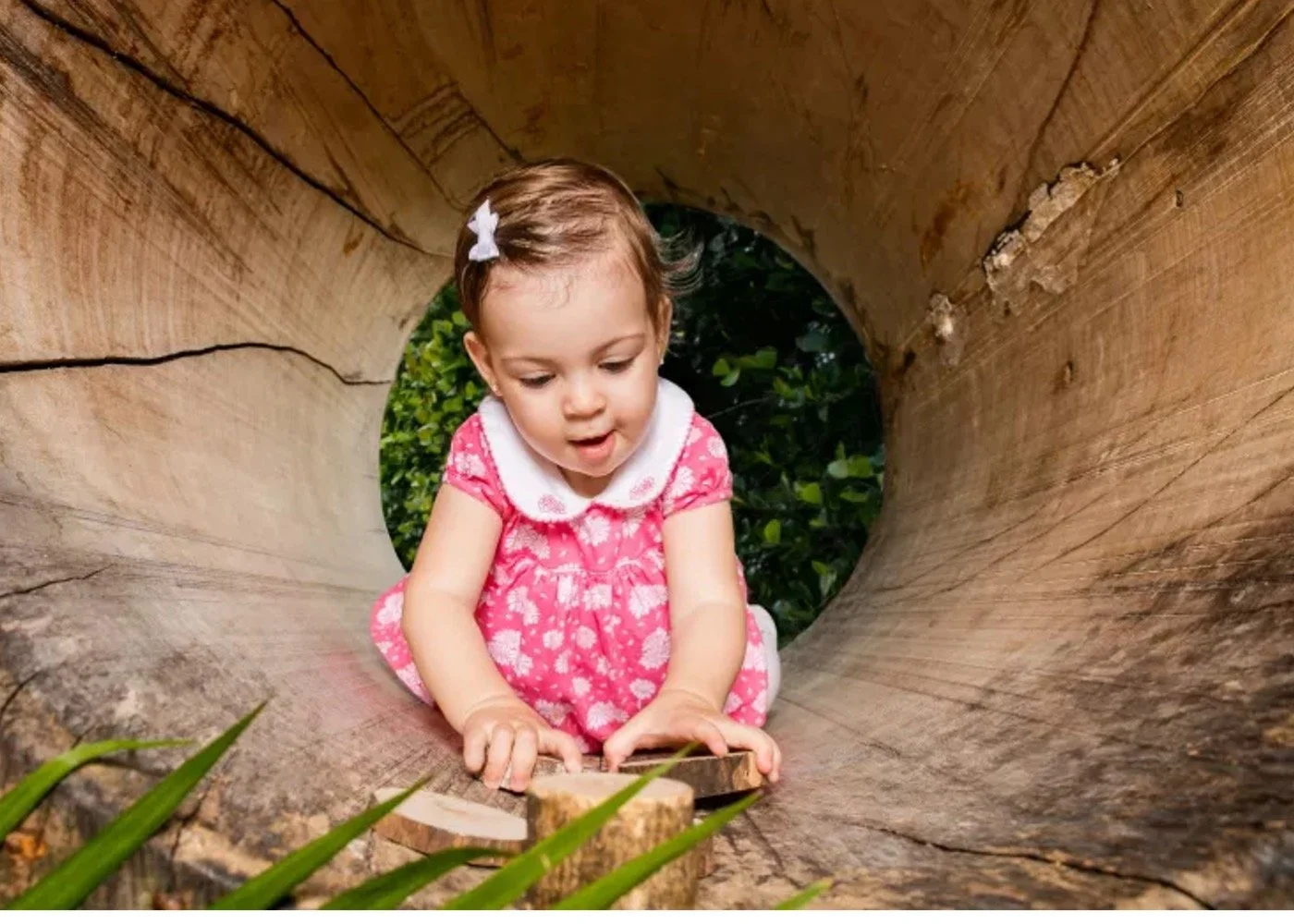
Learning doesn’t just happen inside the classroom.
The center’s physical design encourages exploration and interaction. Large rooms and wide hallways are brightly lit with natural sunlight pouring through expansive windows. The outdoor environment becomes part of the day’s indoor play.
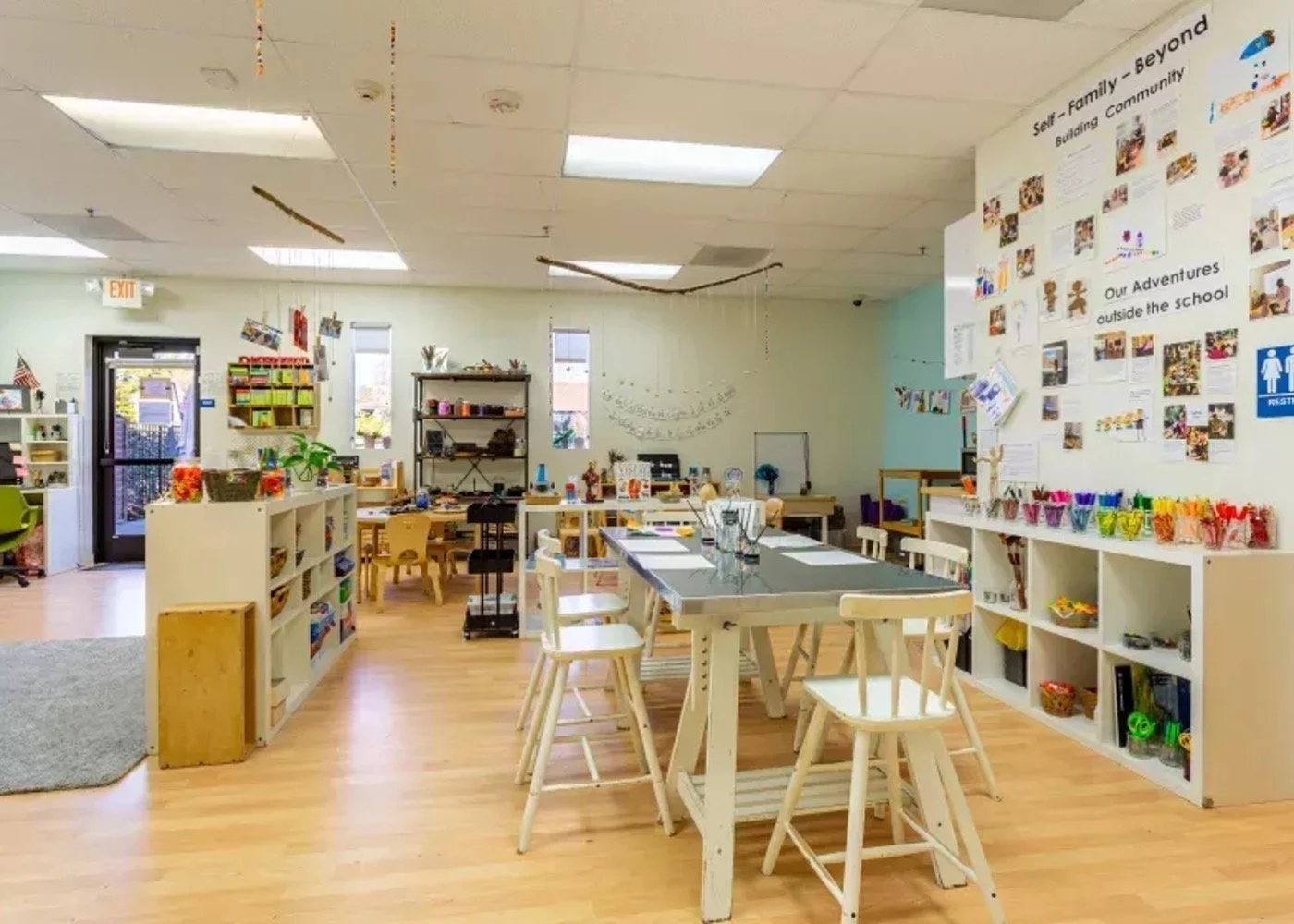
KLA kindergarten classroom.
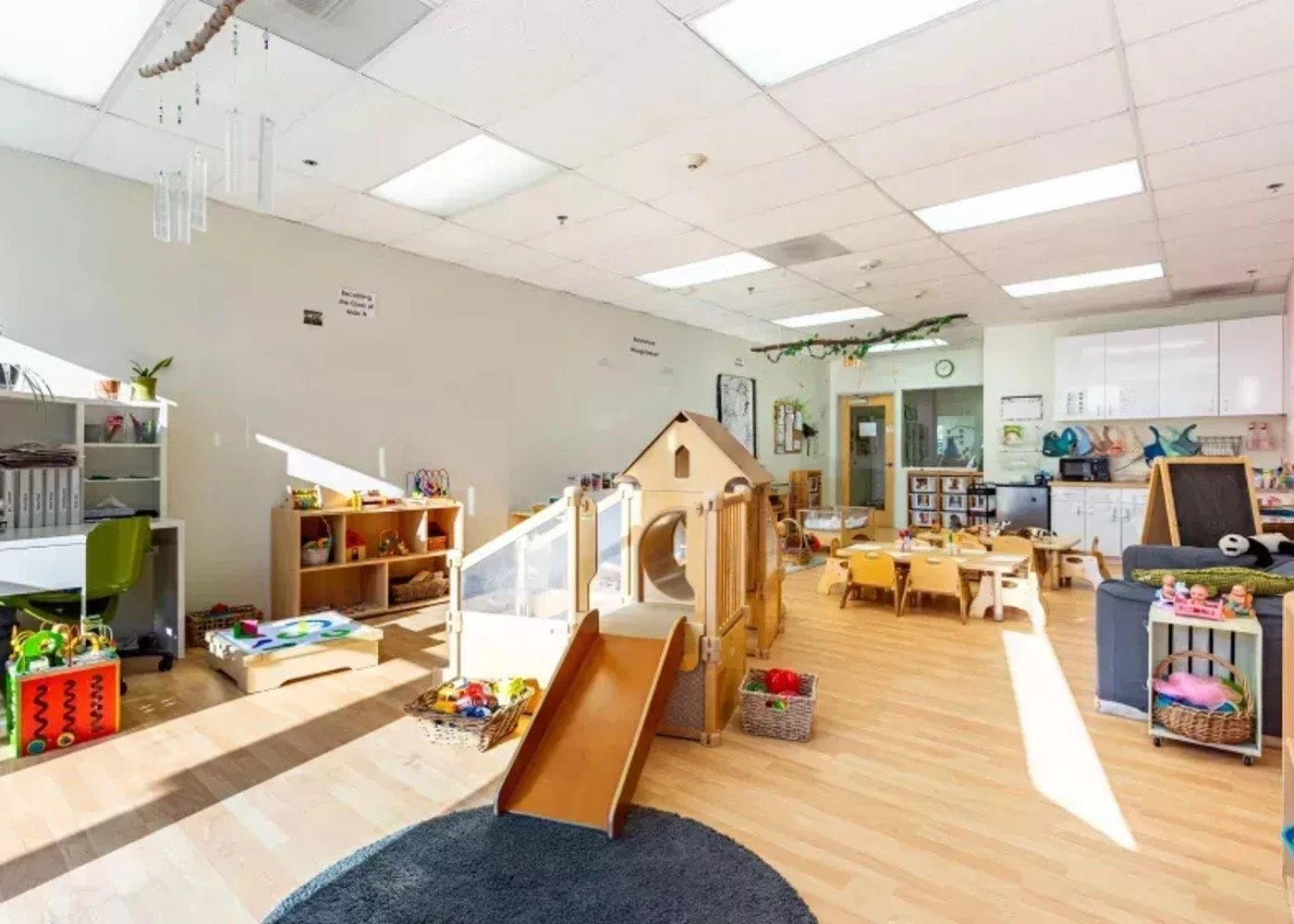
KLA nidos classroom, 12-18 months.
“An open environment allows children to see the world around them, to be a part of what’s happening on the other side of the glass,” said Laura Aparicio, KLA’s pedagogist (educational specialist). “We believe that learning comes first from the important adults in a child’s life; second from their peers; and third from the environment as teacher.”
“For 20 years we have been guiding our children about how to ask questions,” said Roberto, “and helping them discover the answers themselves, while meeting milestones and mastering the academics to be successful in the future. It is the innovative nature of the Reggio Emilia philosophy that made my wife and I fall in love with this approach. The journey is what’s important. We know our students are happy and motivated to learn, and at the same time, they are growing emotionally and socially.”
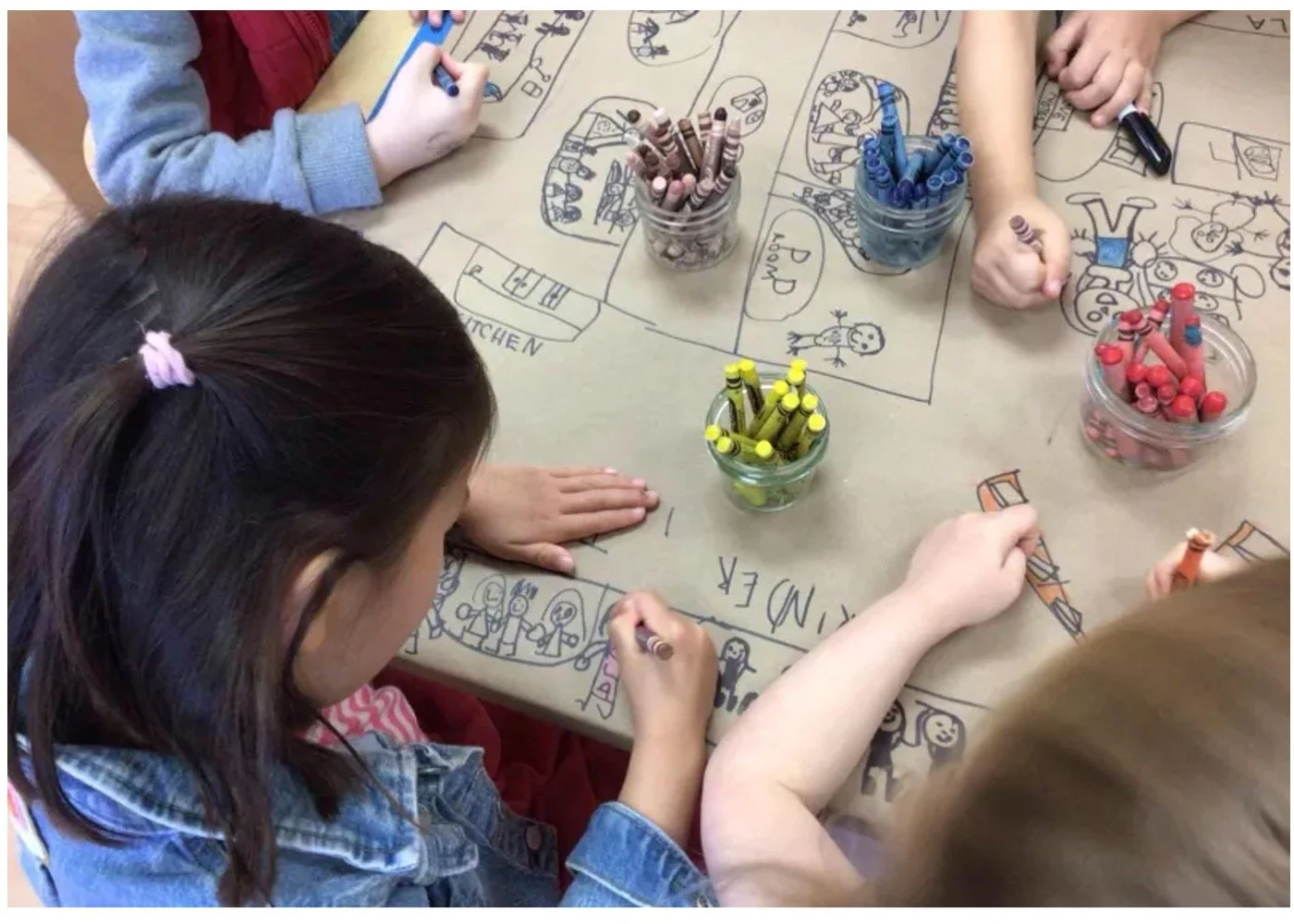
Collaboration, teamwork, and creativity at work in the KLA classroom.
KLA Schools of Walnut Creek provides a safe, secure environment, but in addition, “we are passionate, highly experienced educators,” said Roberto, “who are giving our students the foundation they need very early on to be able to succeed for the rest of their lives.”
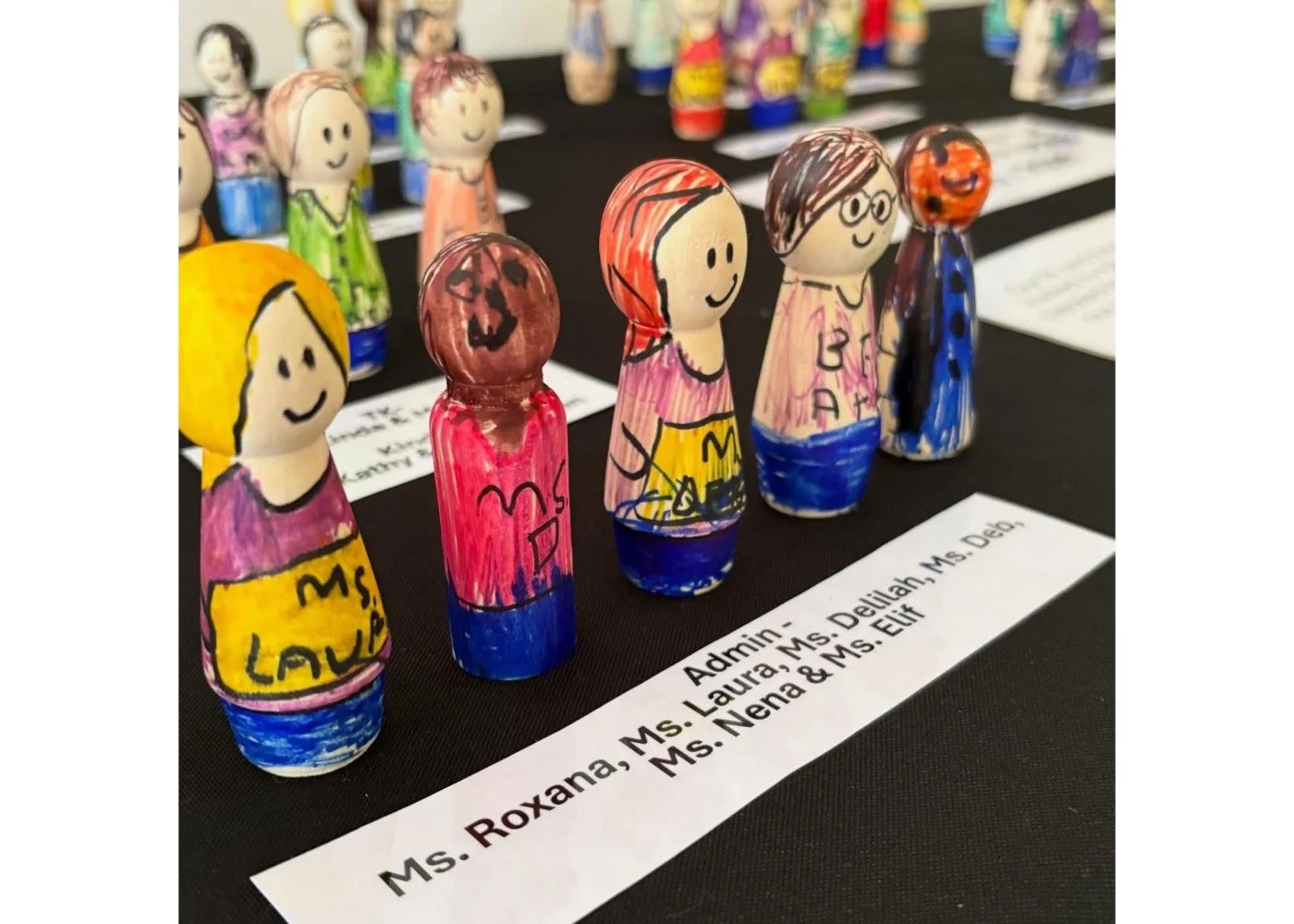
Staff meeting — miniature style — crafted lovingly by KLA students.
To tour the school and meet the teachers and administrators, call KLA Schools of Walnut Creek, 925.391.3906 or visit KLA Schools of Walnut Creek.